

While IATA projects intra-African air travel to grow at 4.9% compound annually through 2050 (the fastest of any region globally), the average South African holidaymaker is still more likely to have a favourite café in Amsterdam than a game drive story from the Luangwa Valley.
But that is beginning to change. And with global travel routes facing increasing disruption due to conflicts and airspace closures, a growing number of travellers are turning their gaze inward.
“There has never been a better time for South Africans to discover what exists beyond their own borders on this continent,” says Captain Josias Walubita, Director Flight Operations at Proflight Zambia. “Zambia and Namibia, in particular, offer experiences that are genuinely world-class and largely uncrowded, as well as visa-free for South African passport holders. Most South Africans simply don’t realise how accessible these destinations now are, or how seamlessly you can combine them into a single trip.
”Until recently, combining Zambia and Namibia in a single itinerary meant routing back through Johannesburg between the two countries, a detour that added hours of travel time to an already ambitious trip. For most travellers, that kind of inefficiency was enough to shelve the idea entirely.
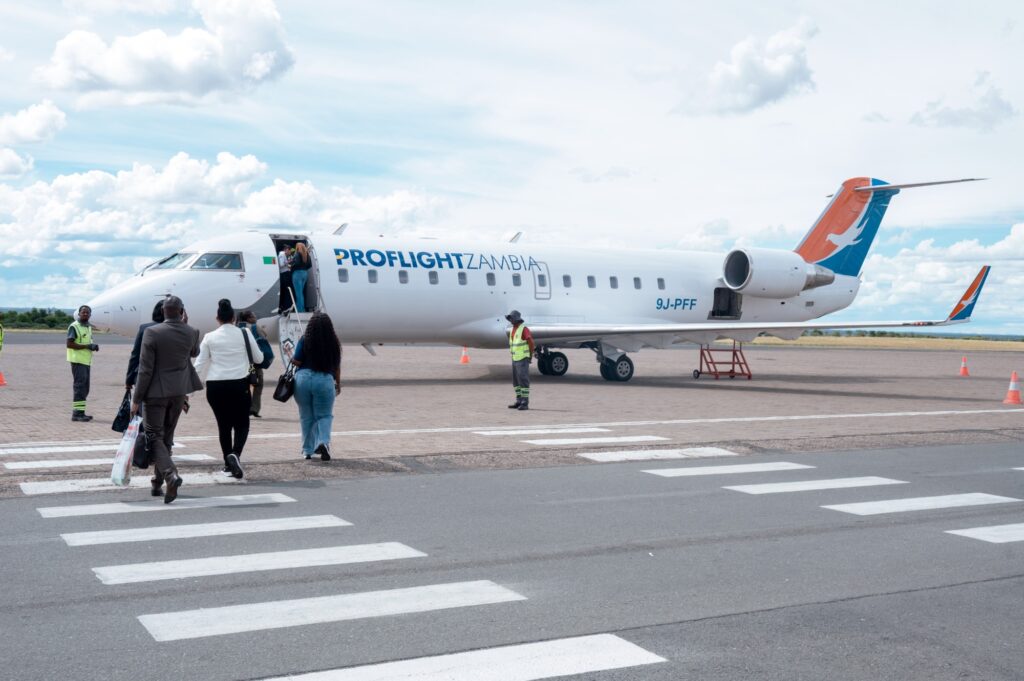
Proflight Zambia’s new Lusaka–Livingstone–Windhoek service changes the equation. Operating three times weekly on Tuesdays, Fridays, and Sundays, the route links Zambia’s capital directly to Windhoek, Namibia’s capital, in just over three hours. Passengers board in Lusaka, make a brief stop in Livingstone (enough time to be served the locally roasted Kasama coffee,) and arrive in Windhoek without changing aircraft.
What was once a logistical puzzle is now a single, seamless journey.
Zambia: Africa at Its Most Elemental
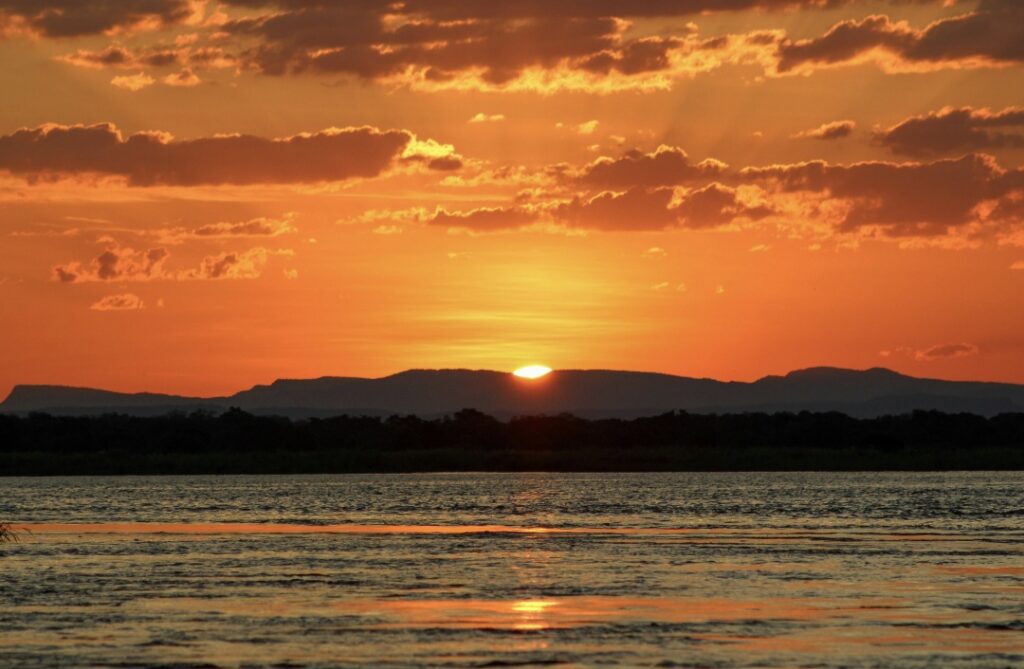
Zambia opens with the Zambezi River thundering over the Victoria Falls (the largest waterfall on earth by combined width and height), and it does not let up from there.
What most South African travellers do not know is that the Zambian side of Victoria Falls offers a fundamentally different experience from its Zimbabwean counterpart, with viewing points less manicured and more intimate. During peak flow season, the spray is so dense it creates its own weather system, and during low water season, you can walk across exposed rock formations and peer directly into the gorge. It’s the same waterfall, seen from a completely different vantage point.
Then there’s the Lower Zambezi National Park, a floodplain ecosystem where elephants wade through the river shallows and canoe safaris bring you eye-level with hippos and crocodiles in a way that no land-based game drive can replicate. South Luangwa, meanwhile, is widely regarded by wildlife experts as one of the finest national parks on the continent – the birthplace of the walking safari, extraordinarily rich in leopard, and still relatively unvisited compared to more heavily marketed East African destinations.
Lusaka itself, often dismissed as a transit point, is increasingly worth a day of anyone’s time, a city with a growing food scene and markets that provide a genuine window into contemporary Zambian life.
Namibia: The Continent’s Most Otherworldly Landscape
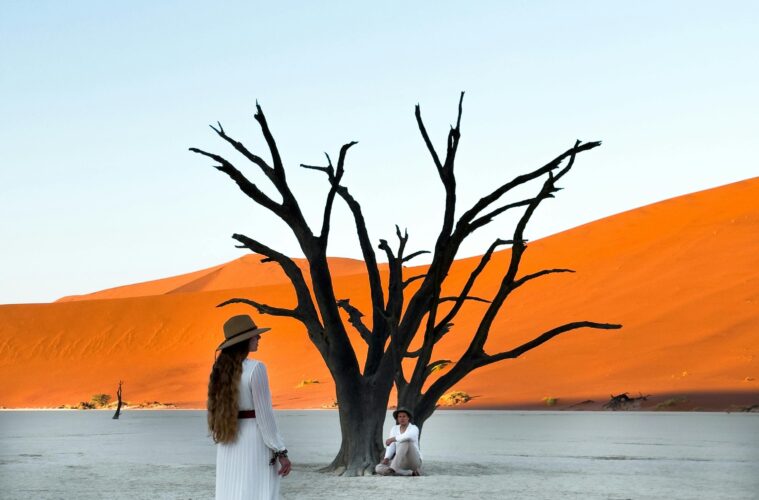
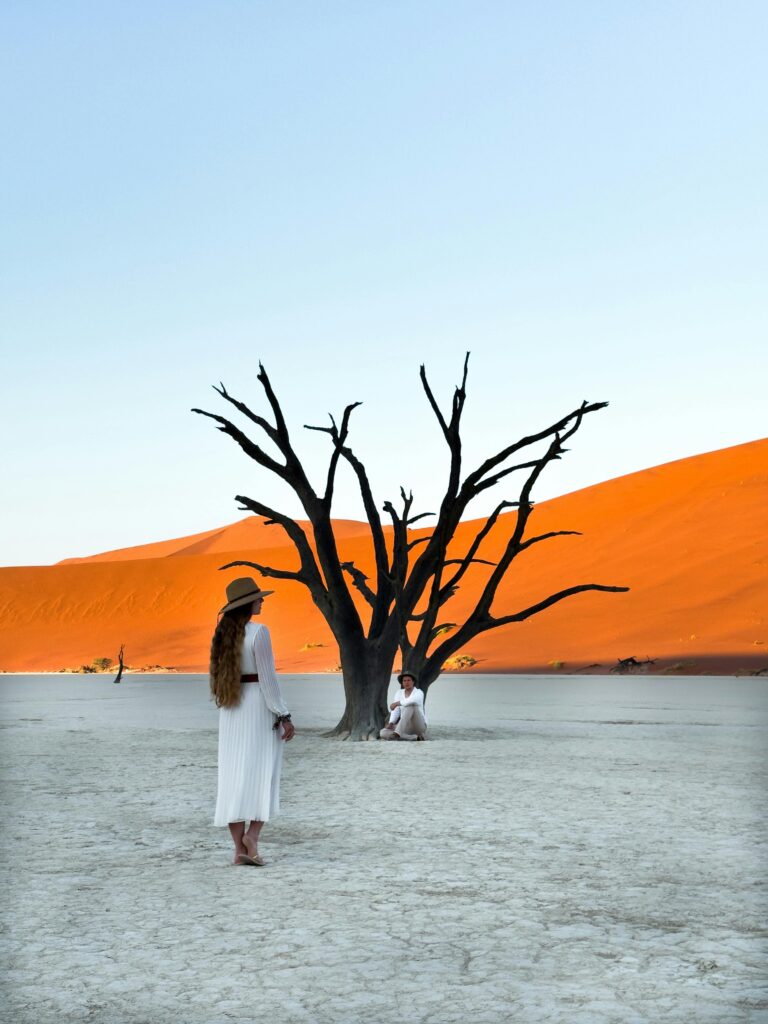
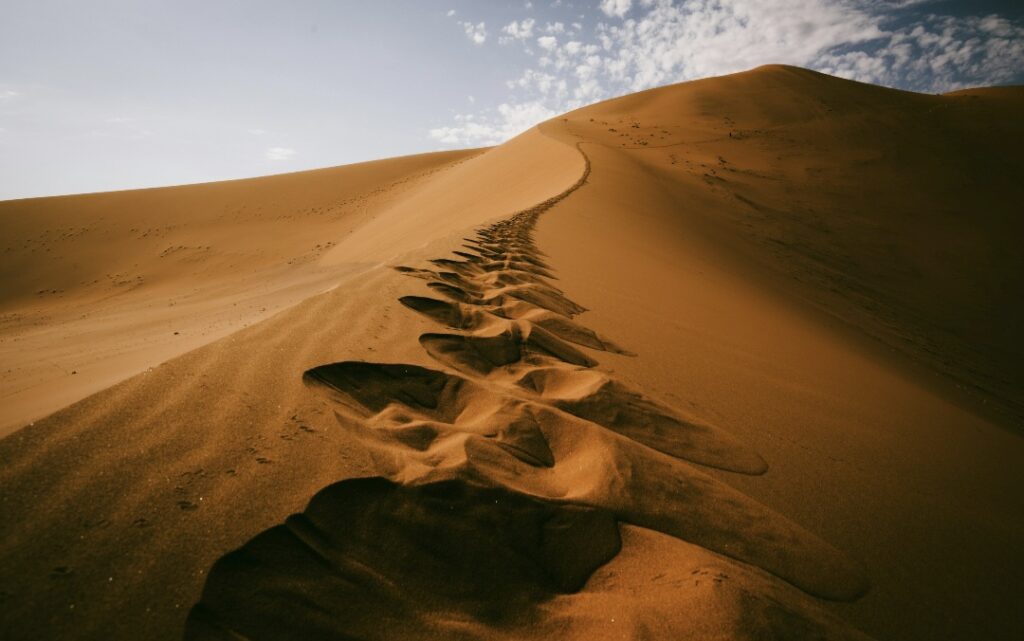
The Namib Desert is the oldest desert on earth, and Sossusvlei, its most celebrated corner, is the kind of place that recalibrates your sense of scale. The dunes (some exceeding 300 metres in height) change in colour from burnt orange to deep red as the light moves through the day.
Etosha National Park, in the north, offers a safari experience unlike anywhere else in Africa. The vast salt pan at its centre creates a moonscape backdrop against which lion, elephant, black rhino, and cheetah gather at floodlit waterholes after dark, a wildlife spectacle that is both dramatic and eerily silent. Namibia also has one of the healthiest black rhino populations on the continent, and community-based conservation here is among the most sophisticated and successful in Africa.
Of course, nobody can forget the Skeleton Coast, where the cold Benguela Current meets the desert at the edge of the Atlantic, and seal colonies number in the hundreds of thousands. It’s one of the most desolate and beautiful places on earth.
Finally, Windhoek, the capital, is compact, walkable, and surprisingly cosmopolitan – a useful base and a genuinely pleasant place to begin or end a journey.
A 10-Day Example Itinerary: The Southern Circuit
Days 1–2: Lusaka
Land at Kenneth Kaunda International Airport. Explore Lusaka’s markets and spend some time strolling through the Lusaka National Museum or Kabwata Cultural Village.
Days 3–4: Lower Zambezi National Park
From Lusaka, fly directly into the park at Jeki or Royal airstrips – Proflight operates seasonal connections that put you in the wilderness in just 35 minutes. Two nights of game drives, canoe safaris, and guided walks along the river.
Days 5–6: Livingstone & Victoria Falls
Return to Lusaka and connect south to Livingstone (Proflight runs daily services on this route). Two days centred on the Zambian side of Victoria Falls: a sunset cruise on the Zambezi, a walk through the rainforest trail, or white-water rafting in the gorge below the falls.
Day 7: Livingstone to Windhoek
Board your Proflight service from Livingstone and arrive in Windhoek by early afternoon. Spend the evening on foot – the Christuskirche, the Craft Centre, the restaurants around Independence Avenue.
Days 8–9: Etosha National Park
Drive north to Etosha (around four to five hours from Windhoek) or take a short charter flight. Two days of waterhole game drives with lion, elephant, black rhino, and cheetah among the regulars. Stay inside the park for floodlit night viewing that is unlike anything in Southern Africa.
Day 10: Windhoek & Depart
A final morning in the city before flying home.
This itinerary works equally well in reverse, beginning in Windhoek and ending in Lusaka. Proflight Zambia’s Livingstone–Windhoek service operates three times weekly in both directions.
The world’s most-travelled routes are under pressure. As of mid-March, since the escalation of Middle East hostilities in late February, well over 50,000 flights to, from, or via the Middle East have been cancelled or grounded and more than six million passengers affected, according to the New York Times.
But rather than what is happening elsewhere, the more compelling part of this story is what is right in front of us – accessible with less effort, less money, and much greater peace of mind.
Zambia and Namibia, experienced together, promise a journey that is genuinely difficult to overstate. Ancient deserts and thundering waterfalls. Canoe safaris and floodlit waterholes. Cities that are growing into themselves.
A continent that has been here all along, waiting.
About Proflight Zambia
Proflight Zambia, established in 2005, is Zambia’s leading scheduled airline and an IATA Operational Safety Audit (IOSA) registered and an IATA member airline. Operating from its base in Lusaka, its domestic routes include Kalumbila, Kasama, Livingstone, Mansa, Mfuwe, Ndola, and Solwezi, with seasonal safari routes to Jeki/Royal airstrips in Lower Zambezi National Park. The airline’s regional flights include South Africa, Botswana, and Namibia, operating between Lusaka and Johannesburg, Lusaka and Cape Town (via Livingstone), Livingstone and Cape Town direct, Lusaka and Windhoek (via Livingstone), Livingstone and Windhoek direct, Lusaka and Maun (via Livingstone), and Livingstone and Maun direct.
The airline prides itself on providing a safe, reliable, efficient, and friendly service, and offering good value to business and leisure travellers locally and internationally.
The airline operates six 50-seat Bombardier CRJ-200 jets, one Bombardier CRJ-100 parcel freighter jet, and five 29-seat Jetstream 41 turboprop aircraft.
More information is available at flyzambia.com