

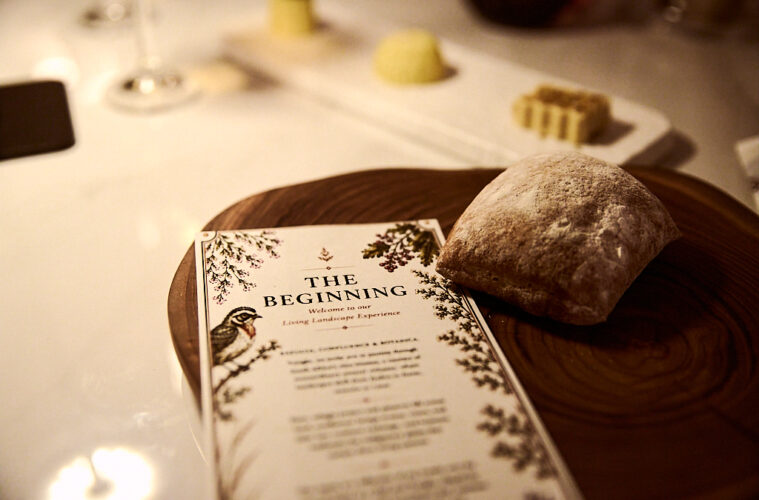
At Palm House Boutique Hotel & Spa in Wynberg, Chef Gregory Henderson invites diners on a beautifully considered culinary journey through South Africa’s landscapes, indigenous ingredients and rich food heritage
There is something wonderfully nostalgic about arriving at an old Cape manor house. Perhaps it is the leafy gardens, the character-filled architecture or the sense that, for a little while, you have stepped away from the everyday. Whatever it is, pulling up outside Palm House Boutique Hotel & Spa in Wynberg immediately sets the scene for an evening with a little more occasion.
Beyond its beautiful wooden doors, the welcome is warm and professional. There is a lovely sense of anticipation as you make your way towards de Tafel, the hotel’s intimate fine-dining restaurant. With its focus on seasonal and foraged ingredients and a kitchen led by Executive Chef Gregory Henderson, this is a restaurant with a clear sense of purpose: to tell stories through food. And what stories they are.
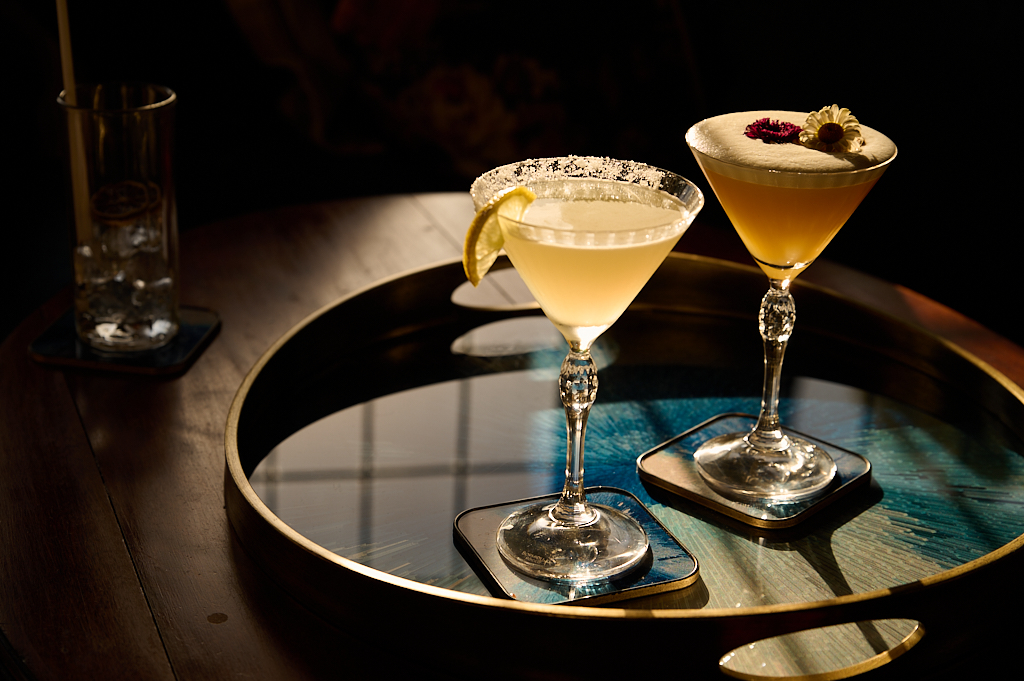
Two menus, one delicious dilemma
Before dinner, we were presented with two beautifully designed tasting menus: Confluence and Refugia. The third offering, Botanica, takes a plant-led approach, but knowing our own preferences, we were rather more tempted by the promise of the sea and the land.
We decided to share the experience by choosing one menu each. Confluence explores the meeting of ocean, tide and freshwater, while Refugia draws inspiration from the places where life endures across South Africa’s nine biomes. One celebrates the ingredients and ecosystems of our coastline; the other explores game, heritage meats and indigenous botanicals.
The menus themselves deserve a mention. Beautifully illustrated and thoughtfully presented, they feel less like restaurant menus and more like little field guides to the landscapes that inspired them. Even the language is considered, with each introduction offering a glimpse into the philosophy behind the food.
It is an approach that feels entirely in keeping with Henderson’s cooking. This is not simply about putting beautiful ingredients on a plate. It is about understanding where they come from, how they connect to the environment and the stories they carry.
A beginning worth savouring
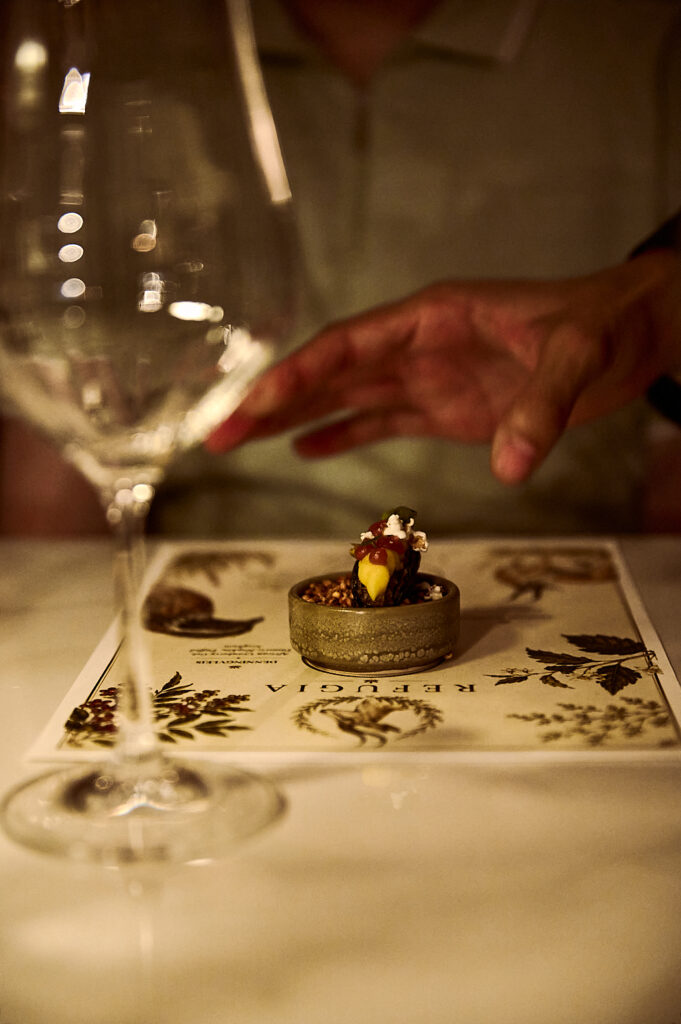
All good stories need a beginning and I am rather partial to one that starts with bread, butter and bubbles.
We were welcomed with a glass of Villiera Tradition Brut Cap Classique, accompanied by a selection of three butters and a beautifully presented ciabatta loaf. It was a familiar combination, but one elevated through thoughtful presentation and attention to detail.
As we settled in, the dining room offered its own little preview of the evening ahead. Around us, plates were being presented with artistic precision, wisps of smoke drifted across tables and the occasional burst of fire caught our attention. There was a wonderful sense of theatre unfolding, without it feeling as though the food itself was being overshadowed.
Our menus had already set expectations rather high. The kitchen was about to raise them further.
The first taste of land and sea
Our opening selection introduced the two culinary journeys in very different ways.
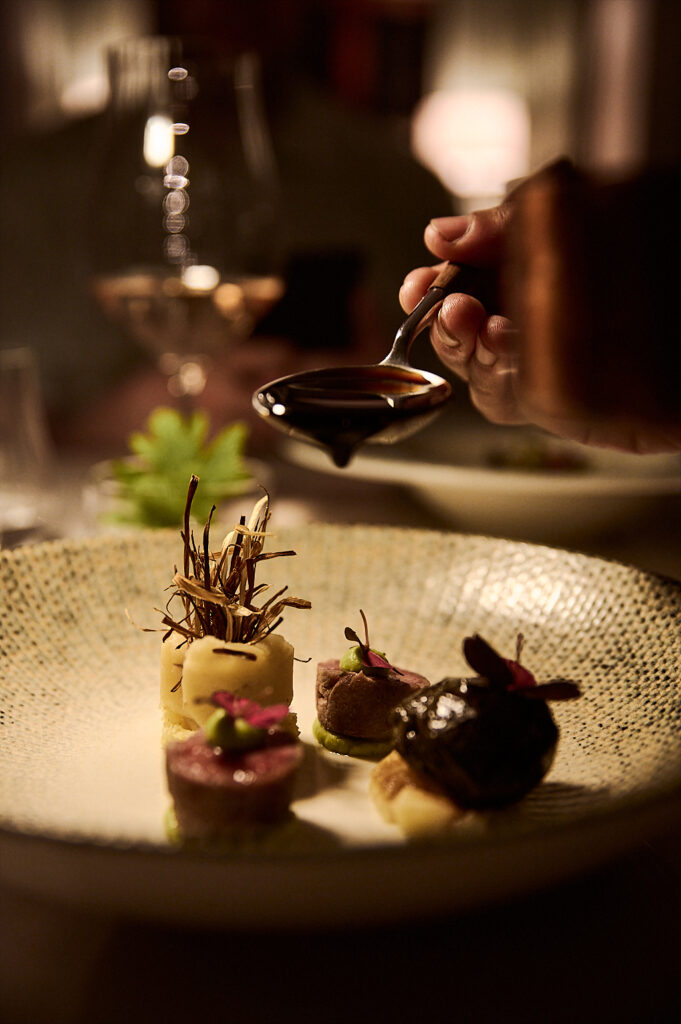
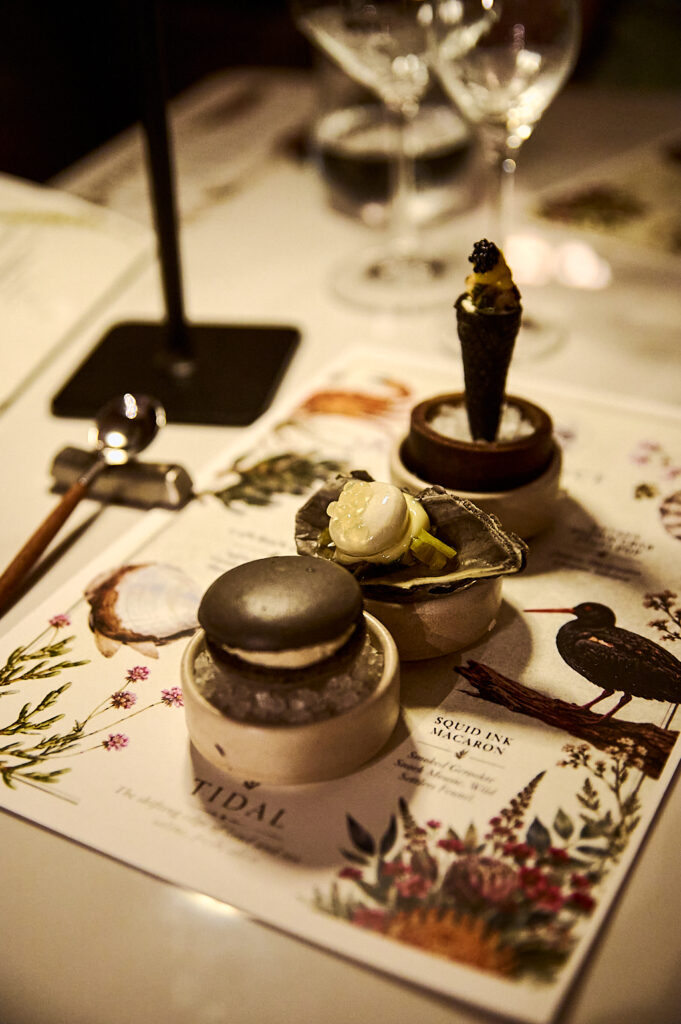
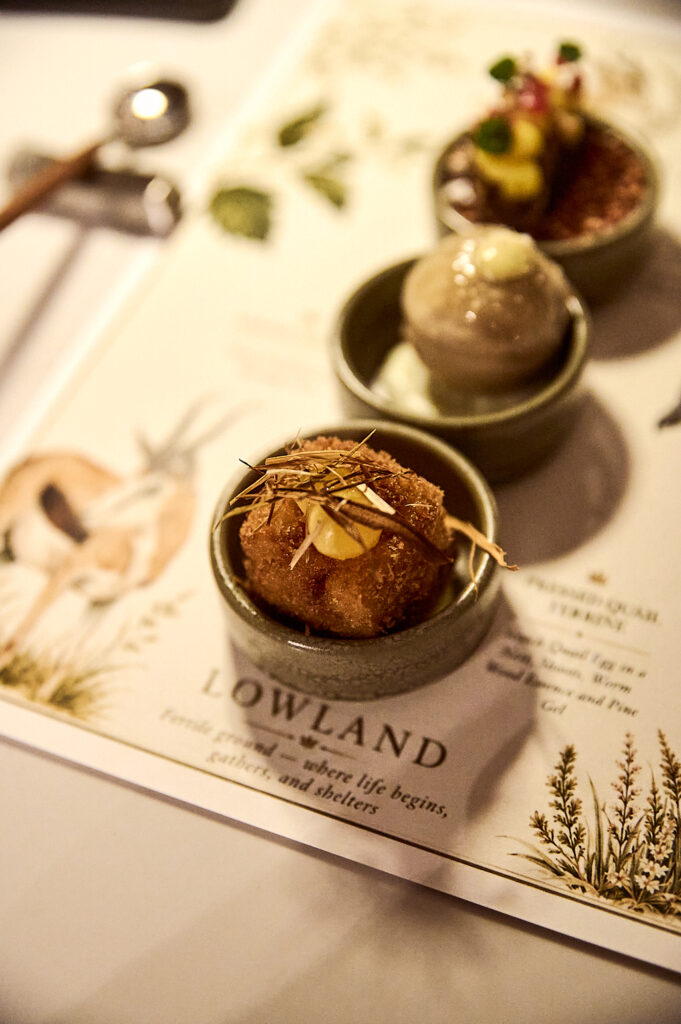
Confluence brought together Knysna brown crab, Cape rock oyster and a squid ink macaron filled with smoked snoek mousse. Refugia offered a distinctly different expression of the land, with denningvleis, venison dombolo and pressed quail terrine.
The presentation was every bit as considered as the menu design. Each selection arrived with a beautifully laid-out placemat detailing the individual canapés and their ingredients. Then came the theatre.
The Confluence presentation was initially rather understated, until our waiter poured a mysterious liquid over the arrangement and a cloud of dry-ice fog enveloped the plate. Refugia had its own dramatic moment, with fire brought into the presentation at the table.
I don’t know whether it is the South African in me or simply a lifelong appreciation for a good braai, but there is something about a little fire at the table that never fails to capture my attention.
Of the opening bites, the Cape rock oyster was particularly memorable. I have recently found myself ordering oysters at almost every opportunity, so I have rather confidently appointed myself something of an enthusiast. This one certainly caught me by surprise. Its beautifully crafted shell was entirely edible, a feat of culinary sleight-of-hand I initially found hard to believe until our waiter explained it.
While I did miss some of that sharp, briny oceanic punch I look for in a traditional oyster, a moment where conceptual cleverness perhaps softened the raw integrity of the ingredient, the sheer craftsmanship was undeniable. It was an unexpected talking point and a clear signal that dining at de Tafel is as much about discovery and technique as it is about pure flavour.
A landscape on every plate
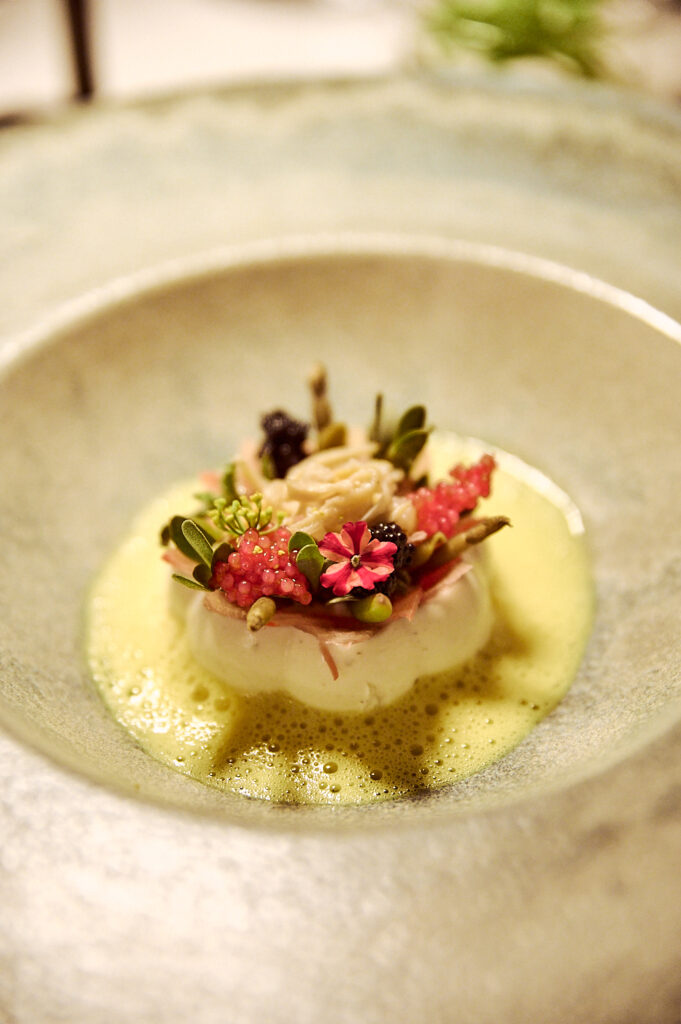
Moving into the heart of the menus, what makes Henderson’s approach particularly compelling is how tangibly the plates translate their respective biomes into flavour.
Confluence navigates the coastal world with dishes built around East Coast rock lobster, sweet white mussels and Cape bream, anchored by the saline, herbal notes of ocean-foraged botanicals. Refugia takes an earthier, more robust route, showcasing rich West Coast springbok, tender C3 Anysbos lamb and dry-aged smoked mountain sage duck, dishes that balance deep, smoky savouriness with bright, indigenous fynbos elements and accompaniments rooted in South African culinary heritage.
The menu descriptions are wonderfully evocative. Refugia speaks of the resilience and belonging found across our country’s varied landscapes, while Confluence explores the constant exchange between fresh and saltwater ecosystems. These are ambitious conceptual frameworks, yet on the plate, they feel cohesive rather than contrived.
Underpinning it all is a clear commitment to provenance. de Tafel places strict importance on traceable seafood and responsible sourcing, from its East Coast rock lobster to its springbok venison. Knowing where an ingredient comes from and respecting the ecosystems behind it adds a quiet weight to every course.
And then there is the service. One of the evening’s loveliest moments came when we noticed Agathosma appearing throughout the menu. Neither of us was entirely familiar with the indigenous botanical, so we asked our waiter. Rather than offering a quick explanation and moving on, he disappeared into the kitchen and returned with the fresh herb itself, beautifully presented, along with a brief, aromatic demonstration.
It was a thoughtful gesture and a telling one. It showed a team that isn’t merely reciting tasting notes but is genuinely invested in the provenance of the food they serve. That kind of engagement transforms the rhythm of a meal; you feel invited into the story rather than simply guided through a sequence of courses.
More than dinner
What stays with you after an evening at de Tafel is how seamlessly every element, from the quiet charm of Palm House and the field-guide menus to the tableside theatre and deeply knowledgeable service, pulls in the same direction.
Through his Living Landscape Series, Chef Gregory Henderson has created more than an ambitious tasting menu; he has crafted a thoughtful, deeply South African dining narrative. In an era where celebrating local produce and understanding its provenance feels more vital than ever, de Tafel offers a compelling look at our culinary identity through a fresh, contemporary lens.
I left with a renewed appreciation for the extraordinary ingredients growing, swimming and roaming around us and a strong sense that there is still so much more to uncover right on our own doorstep.
Sometimes the most rewarding journeys don’t require a passport. Just a reservation, an appetite and a seat at the table.