

January often arrives with good intentions in tow. After a season of indulgence, many people look for ways to reset, not necessarily by cutting out pleasure, but by being more mindful about how they enjoy it. In recent years, this shift has reshaped how we drink, ushering in a more considered, flavour-led approach that doesn’t rely on heavy pours or high alcohol to feel satisfying.
Enter bitters, the quiet heroes of the back bar that are increasingly finding their place in January rituals.
Long associated with classic cocktails, bitters are having a moment beyond the bar cart. Their resurgence is tied to a growing appetite for drinks that feel intentional and elevated, without being overpowering. Rather than centring alcohol, bitters bring depth through aroma, balance and complexity, a few dashes that transform simple ingredients into something worth slowing down for.
In a month often dominated by “less of everything” messaging, this approach offers a refreshing alternative. January doesn’t have to mean flavour disappears along with the excess. Instead, it’s becoming a time to rediscover how little you actually need to create a rewarding drinking experience.
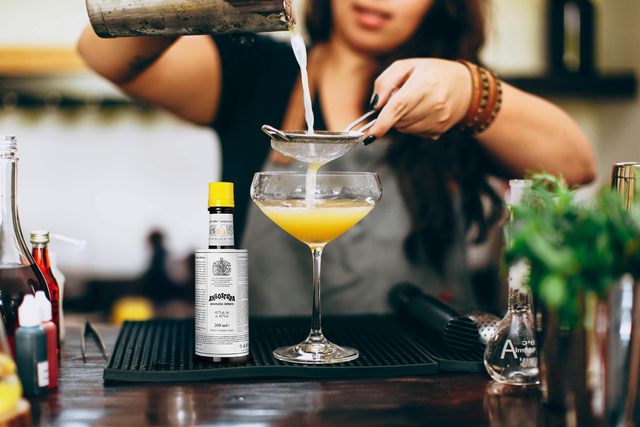
From Pour to Pause: Bitters as a Ritual
At their core, bitters are about restraint. Measured in dashes rather than shots, they encourage a slower, more thoughtful approach to mixing and sipping. This makes them a natural fit for mindful drinking, where the focus shifts from volume to experience.
Historically, bitters were valued for their complexity, blends of herbs, spices, citrus peels and botanicals designed to stimulate the senses. Today, that complexity is exactly what appeals to drinkers looking for lighter alternatives that still feel grown-up and complete.
The ritual matters too. Adding ice, expressing a citrus peel, inhaling the aroma before the first sip, these small moments turn a simple drink into an experience. In January, when routines are being reset and habits re-evaluated, these rituals help drinks feel special without tipping into indulgence.
The Rise of the “Grown-Up” January Drink
One of the clearest shifts in January drinking culture is the rise of bitters paired with soda water, tonic or fresh citrus. It’s a combination that’s easy to prepare, endlessly adaptable and far removed from the overly sweet mocktails of the past.
Sparkling water provides lift and refreshment, citrus adds brightness, and bitters deliver the finishing touch, depth, aroma and a subtle bitterness that lingers. The result is a drink that feels composed rather than compensatory, satisfying without the need for alcohol-forward structure.
This style of serve has become a staple for those participating in Dry January, as well as for people simply choosing to drink lighter during the week. It’s inclusive by nature, offering something thoughtful and flavourful whether alcohol is on the menu or not.
Why Complexity Matters
What makes bitters particularly compelling in January is their ability to satisfy the senses without excess. Aroma plays a significant role in how we perceive flavour, and bitters are designed to engage the nose as much as the palate. That first inhale before a sip sets expectations, making even the simplest drink feel layered and intentional.
Bitterness itself also plays a role. Often misunderstood, it provides balance, cutting through sweetness and adding structure. In lighter drinks, this balance prevents flavours from feeling flat or fleeting, encouraging slower sipping and greater appreciation.
In a season focused on recalibration rather than restriction, this approach resonates. It’s not about giving something up, but about choosing better moments with what’s in your glass.
A New Way to Start the Year
As January continues to evolve beyond rigid rules and all-or-nothing thinking, bitters offer a way to bridge intention and enjoyment. They allow drinkers to explore flavour, ritual and creativity while keeping things light, mindful and modern.
The reset doesn’t have to be dramatic. Sometimes, it’s just a dash, enough to change the whole experience.